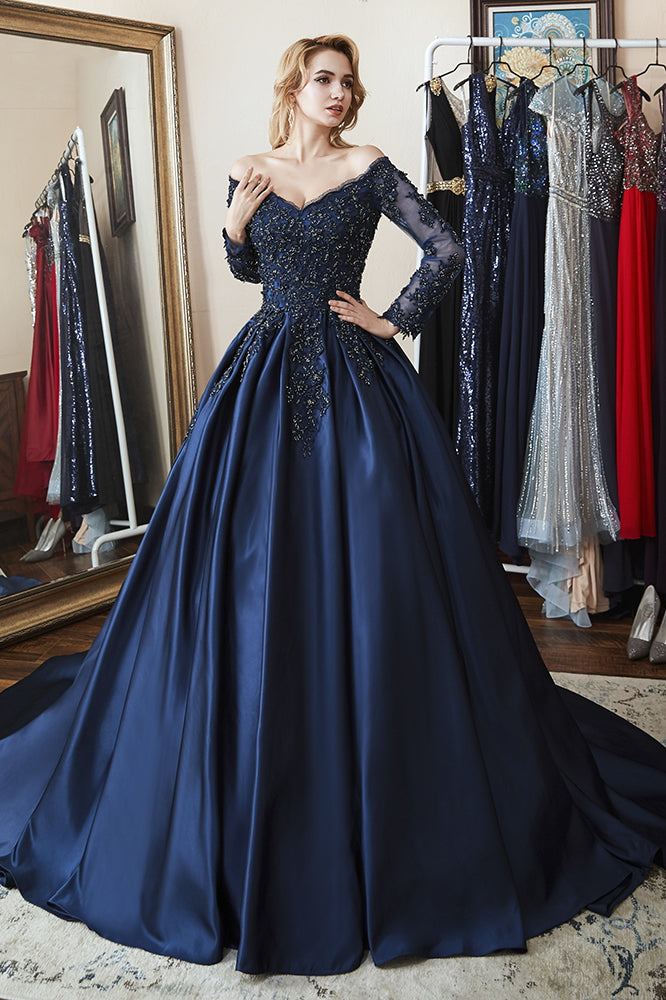
1920s Flapper-style elements such as elegant beading and ornate lace Loose, straight silhouettes Cathedral-length veils to balance simple shapes Elaborate headpieces (including cloche hats or Juliet caps) Scoop necklines Hip-level waistlines Hemlines rising above the ankle 1930s Simple, feminine elegance Drop waists Figure-skimming silhouettes Puffed sleeves High necklines Silk, satin, or rayon Beaded Juliet caps Practical dresses that could be dyed and worn again (due to the Great Depression) Hollywood glamour makeup and hairstyles (finger waves and pin curls) Locally grown bouquets 1940s Practical silhouettes such as shorter skirts, jackets, and high necklines for warmth Wartime weddings often abandoned decorum, so women simply wore their best dresses Furnishing fabrics often used due to limited money Round shoulders Gathered sleeves Corseted waists and padded hips to accentuate hourglass shape V-necks Movie-star-inspired looks 1950s Elizabeth Taylors wedding dress in Father of the Bride greatly influenced trends, as did Grace Kellys wedding gown
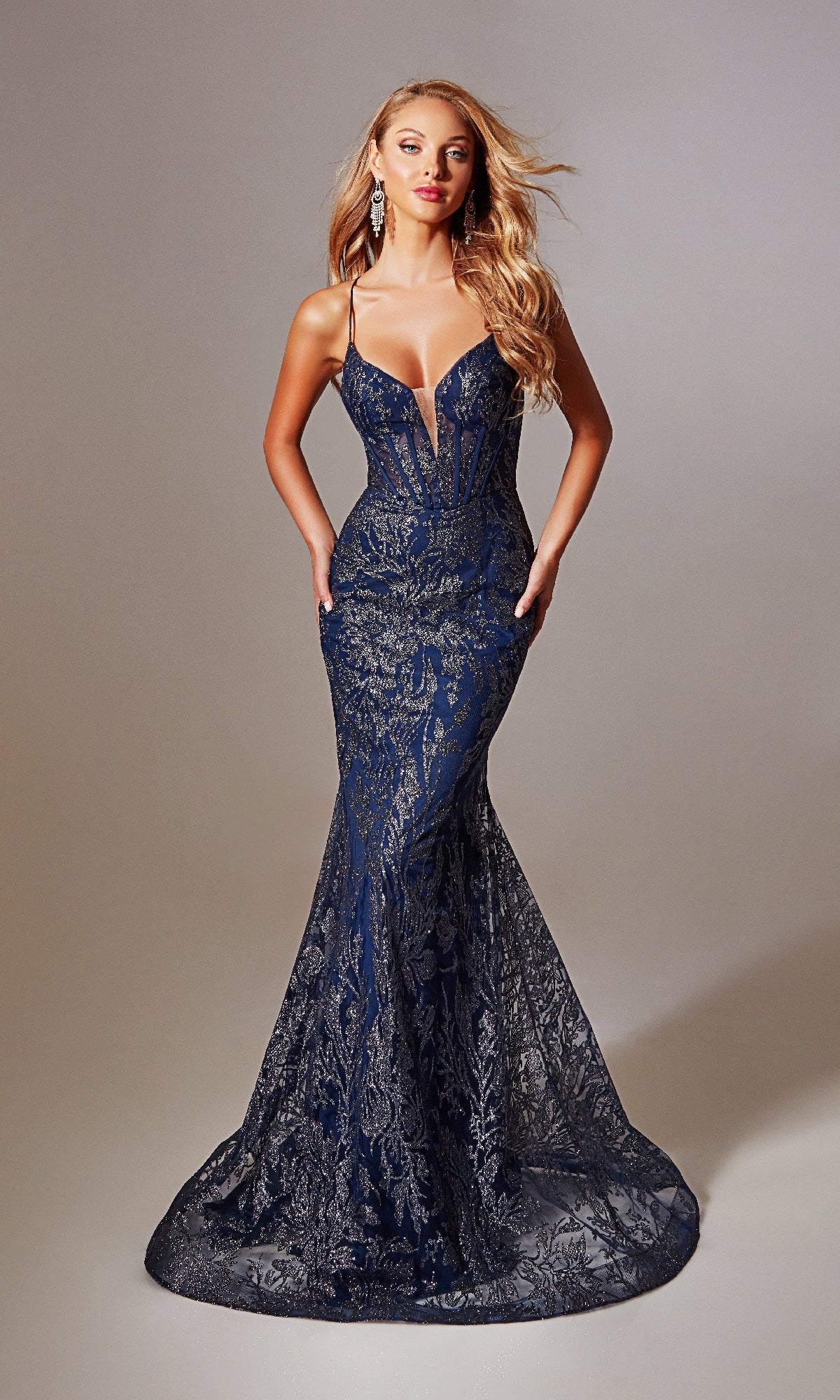
If in between sizes, consider sizing down
They do look slightly odd out of the cabinet though, but overall, it's a very practical combination
Like everything else in the world does
The clean black colourway is perfect for when you want to present a polished and professional front